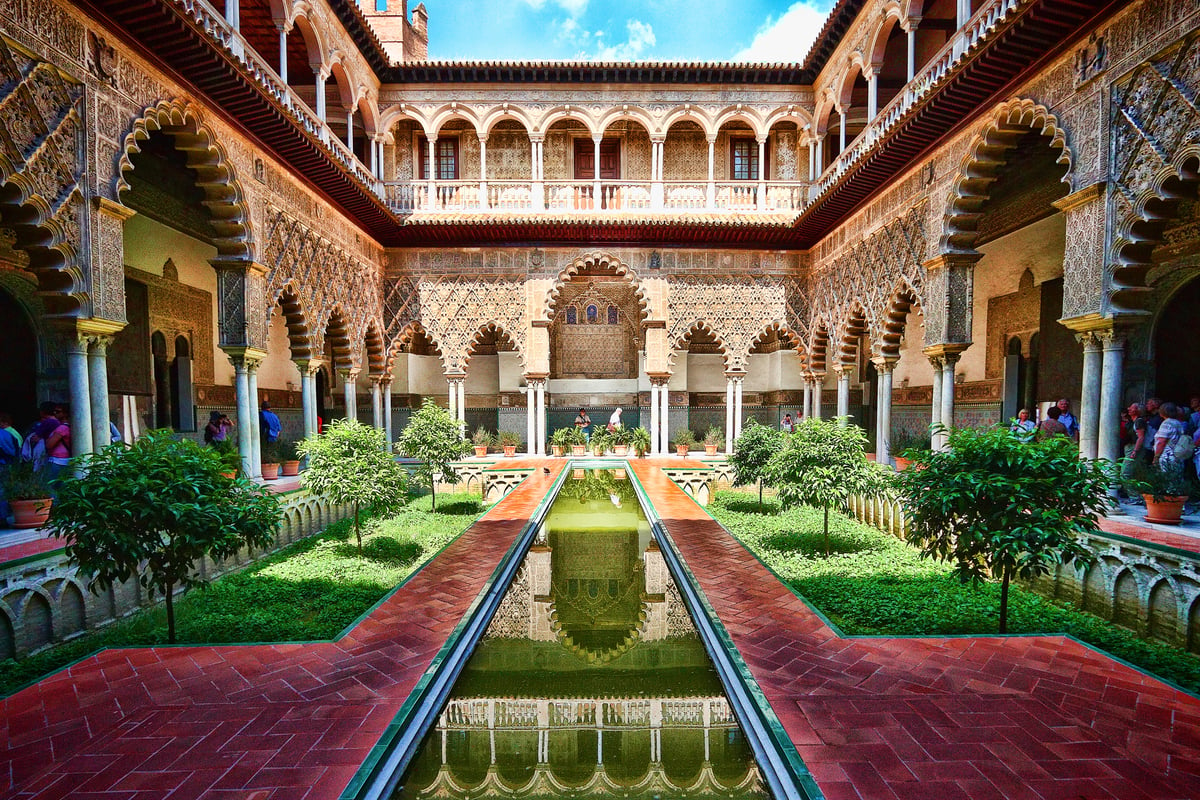
Find the long pool in Patio de las Doncellas
In Pedro I’s Mudéjar Palace, stand at one end of the courtyard and follow the pool toward the arches. The symmetry matters, but so do the carved plaster details around the arcade.
Start with the Mudéjar Palace and Patio de las Doncellas, then slow down in the Gothic rooms and gardens. Afterwards, choose the Cathedral, Barrio Santa Cruz, or a relaxed walk toward the river.
Allow about 2 to 3 hours for the main palaces and gardens. Pick a few rooms to study, then leave time for the outdoor spaces.
In Pedro I’s Mudéjar Palace, stand at one end of the courtyard and follow the pool toward the arches. The symmetry matters, but so do the carved plaster details around the arcade.
This ceremonial room is one of the palace’s key stops. Give your eyes time to adjust, then study the dome above before looking across the patterned walls and doorways.
Move from intricate Mudéjar surfaces to the Gothic Palace linked with Alfonso X. The contrast is useful: the Alcázar developed under changing rulers, rather than following one design plan.
These underground water spaces offer a different pace from the formal courtyards. Look down the repeated vaults and their reflections instead of rushing through toward the gardens.
This smaller courtyard rewards a slower look. It is less grand than the Patio de las Doncellas, but its columns, arches and carved decoration show the palace at a more intimate scale.
General admission covers the gardens as well as the ground-floor palaces. Use them as the second half of the visit, not a quick exit route after the interiors.
The Cuarto Real Alto is not part of standard admission. It has separate access and follows a partial organised visit in the upper part of Pedro I’s palace.
Admission requires a dated, timed ticket. Gardens can also close without notice for weather or visitor safety, so see the palace rooms first and treat individual garden areas as a bonus.
Do not automatically add every nearby sight. Pick one major visit, or choose an outdoor break when the palace already feels like enough.
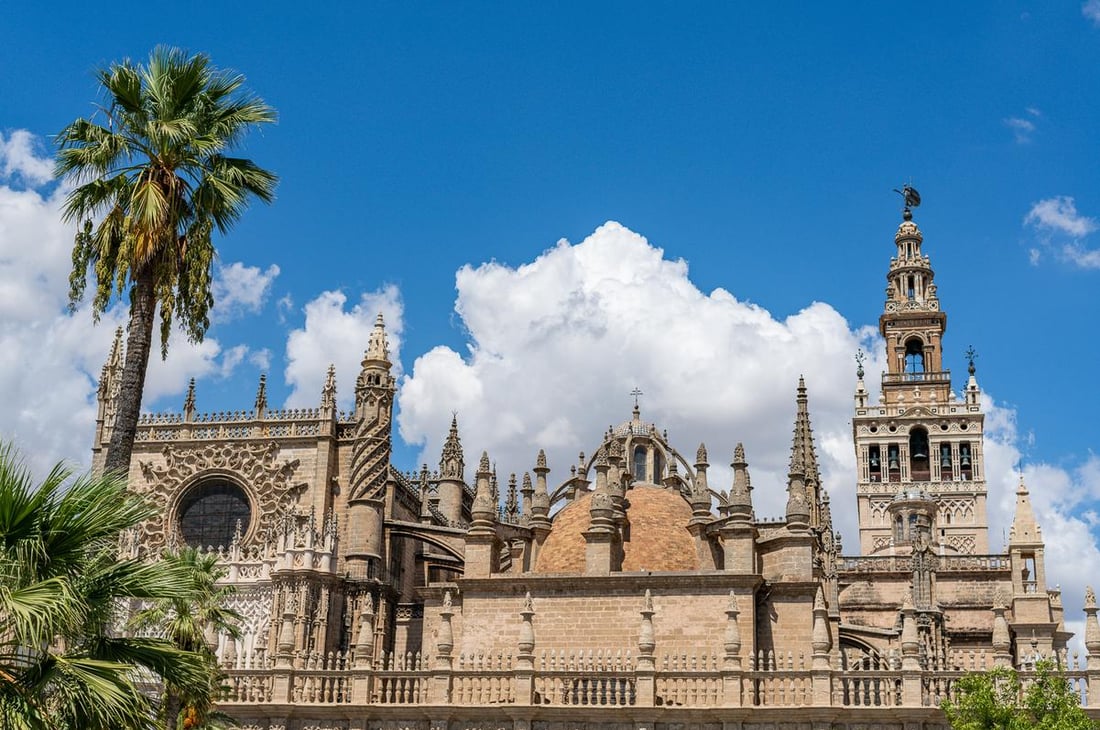
The Cathedral sits beside the Alcázar area, making it the clearest major addition. It changes the day from royal rooms and gardens to religious architecture and the city skyline.
Use the old quarter after the palace for narrow lanes, small squares and a slower pace. It complements the formal Alcázar spaces without adding another timed indoor visit.
This historic archive completes the nearby UNESCO group with a civic and global-history angle. It is a compact choice for readers who want more context without another palace visit.
Head toward the river when you want open space after enclosed rooms. The route gives the day a change of scale and suits visitors who prefer walking over another ticketed attraction.
This is a wider-day addition, not a quick extra. Choose it if gardens and open-air architecture matter more than fitting several central monuments into one afternoon.
It is the strongest contrast to the palace and works well as one planned combined visit.
Walk, pause for food, and keep the afternoon open instead of adding another fixed entry time.
Both give you space after the palace. Pick only one so the day stays relaxed.
Go independent for your own pace. Choose a guide if you want room-by-room context.
For most visitors: Patio de las Doncellas, Hall of Ambassadors, and one garden route.
Choose the Cathedral, a neighbourhood walk, or an outdoor finish. Add one, not three.
These places have a different atmosphere from the Alcázar. Choose by your energy, not just by distance.

For: history, architecture and a tower view. Allow roughly 1.5–2 hours, plus any queue and the ascent; its entrance ticket is separate unless included in a combination tour.

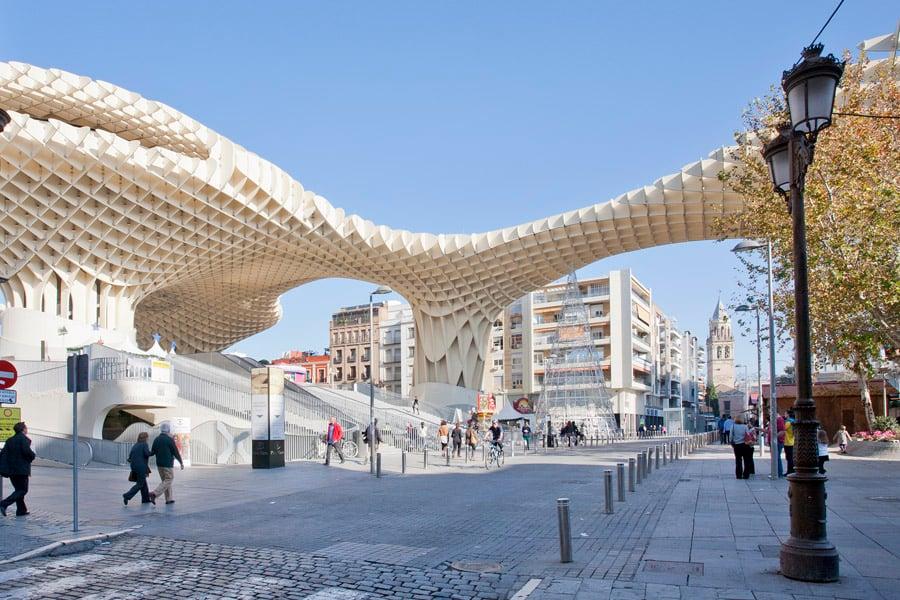
For: a contrasting modern landmark and elevated city views. This is a separate outing north of the old royal quarter, not a stop immediately beside the palace.

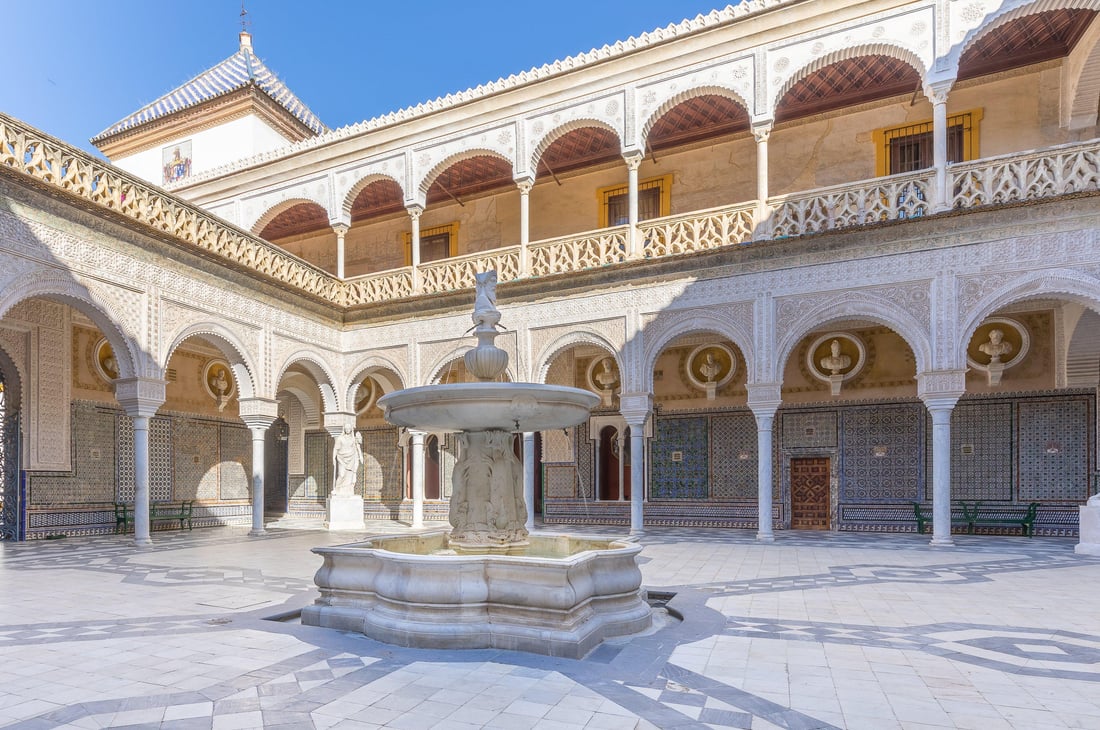
For: more tiled courtyards, Renaissance architecture and a quieter mansion visit. Book only if you still want another historic interior after the Alcázar.
The ticket name matters less than your preferred pace, whether you want a guide, and whether the Cathedral and Giralda belong in the same plan.
Entry gives you time to focus on rooms and gardens that interest you. It does not provide a live guide or include the Upper Royal Rooms by default.
A guided option keeps the visit focused on the Alcázar and helps connect its different palace periods. Exact route, meeting point and language depend on the listing.
Some listings use priority access or fast-track wording. These can suit visitors comparing access formats, but security and entry checks may still apply.
Combined tours name the Alcázar, Cathedral and Giralda in one experience. They are useful when you want a guide across all three landmarks rather than separate planning.
Compare these by what each one actually solves: independent entry, guided explanation, priority wording, or combined coverage of the Cathedral and Giralda.
Self-guided
A strong choice for visitors who want straightforward Alcázar entry and prefer to explore the rooms and gardens independently.
Guided + three sights
Useful when you want guided context across the Alcázar, Cathedral and Giralda in one planned sightseeing block.
Three-sight option
A three-landmark guided option for visitors comparing combined tours with a different pace and inclusions.
Palace guide
A focused Alcázar option for visitors who want a guide at the palace without adding the Cathedral and Giralda.
Fast-track three sights
Choose this if your priority is covering the three named landmarks with a guided itinerary and fast-track wording.
Guided palace visit
A palace-only guided format for travellers who prefer explanation and priority access wording over a wider three-landmark route.
Royal Alcázar Tickets is an independent visitor guide and is not the official Royal Alcázar website. Some links are affiliate links, which means we may earn a commission at no extra cost to you. Prices, availability, ratings, languages and exact inclusions change. Check each operator’s live listing before paying. Official admission is also available from the monument’s own ticket system.
Plan food around the route, not squeezed between timed attractions. Keep enough time before entry and use the palace visit as the main fixed point.
Choose a quick café stop around the Cathedral and Santa Cruz area. Arrive ready for your selected entry time rather than planning a long meal first.
This is the natural point for a proper lunch. Finish the palace before sitting down, since re-entry should not be assumed.
Only water is allowed inside. For an outdoor continuation toward the river or park, take a break after leaving the monument.
The difference between a good day and an exhausting one is usually how many separate things you try to fit around one timed entry. Keep one major booking, then add space rather than more commitments.
Entry is by a reserved date and time. Choose that time first, then fit food and nearby sights around it.
Cathedral and Giralda access only belong to options that name them. Read the inclusions before paying.
Most first-time visitors allow about 2 to 3 hours here. Choose one nearby extra instead of stacking timed entries.
Tickets are nominative. Bring the ID card or passport matching the booking for access control.
Garden areas may close for maintenance, weather or safety. See the main interiors before heading outdoors.
Children up to 13 can qualify for free admission with an adult, but a free ticket is still needed. Pick gardens or rooms rather than rushing both.
Quick answers to the questions that most often affect your entry, route and ticket choice.
Prioritise Patio de las Doncellas, the Hall of Ambassadors, the Mudéjar Palace, the Gothic Palace and a garden route. If you have time, add the Baths of María de Padilla and Patio de las Muñecas.
Plan around 2–3 hours for a comfortable first visit to the palaces and gardens. A guided visit can cover the main interiors more quickly, but leave additional time if you want to explore the gardens afterward.
No. Standard Alcázar admission does not include the Cathedral or Giralda. Look for a combination ticket or tour explicitly naming all three landmarks.
Yes. The Cuarto Real Alto is an additional visit, not automatically covered by standard admission. Confirm its availability and access conditions on the official booking website.
Yes, the normal palace-and-gardens visit includes the gardens, subject to weather, maintenance and visitor-safety closures.
Yes. Tickets are issued for named visitors, and the monument requires an ID card or passport matching the ticket at entry.
Food and drinks other than water are generally prohibited, with an exception for babies. Have your meal outside the monument, for example in the Santa Cruz area.
Walking through Barrio Santa Cruz and the streets and squares around the Cathedral is an easy, no-admission-cost option. Cathedral interiors, tower entry and some other attractions require separate tickets.
No. Priority or fast-track products may streamline ticketing or entry arrangements, but they do not guarantee bypassing security or ID checks. Review the exact operator terms.
Check the monument’s official ticket system for other times or dates. A limited same-day standard-entry allocation may be available at the ticket office, but do not rely on it; third-party tours have their own inventory and terms.
Visit the Alcázar first, take a lunch break around Barrio Santa Cruz, and visit the Cathedral and Giralda if you still have time. For a less intensive afternoon, swap the second timed attraction for a riverside walk.
The official published regular visiting hours are 09:30–17:00 from October to March and 09:30–19:00 from April to September, subject to exceptional closures and changes. Verify the day and time before travelling.
Visitor information: Royal Alcázar official visitor information · Official ticket portal · Upper Royal Rooms.
For most first-time visitors, choose independent entry or a palace guide, focus on three highlights, and add only one major extra. The Cathedral suits a full sightseeing day; Barrio Santa Cruz suits a slower afternoon.